
Landfor sale in four states
Hunting ground, tillable farms, timber, lakes and recreational land across Missouri, Kansas, Illinois and Iowa, sold by private listing and by online auction.
Land for sale


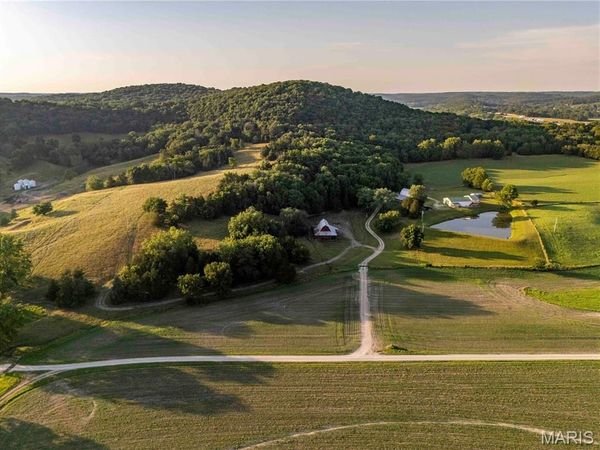


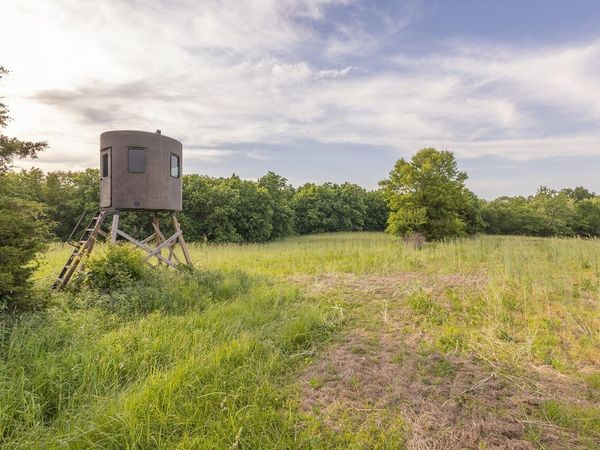
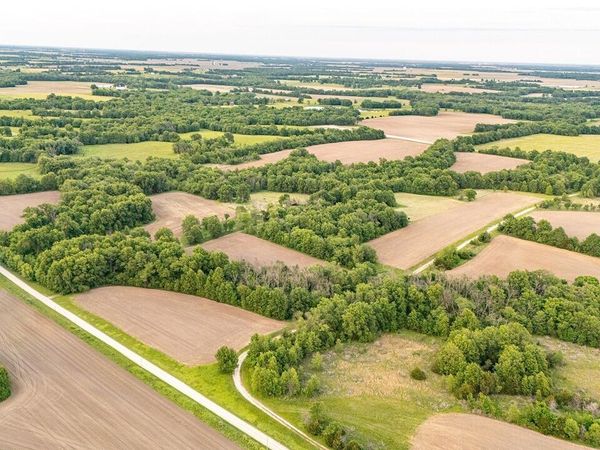


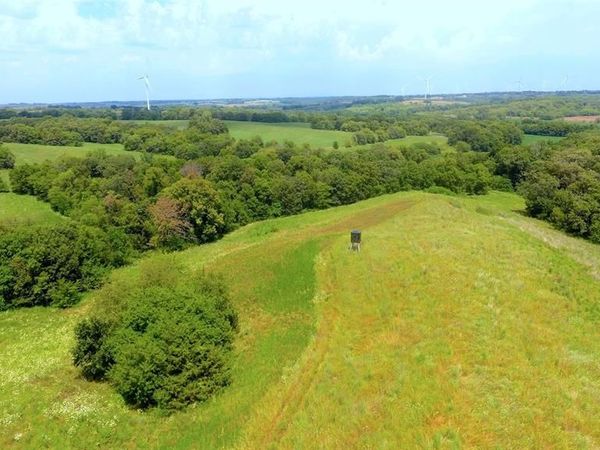
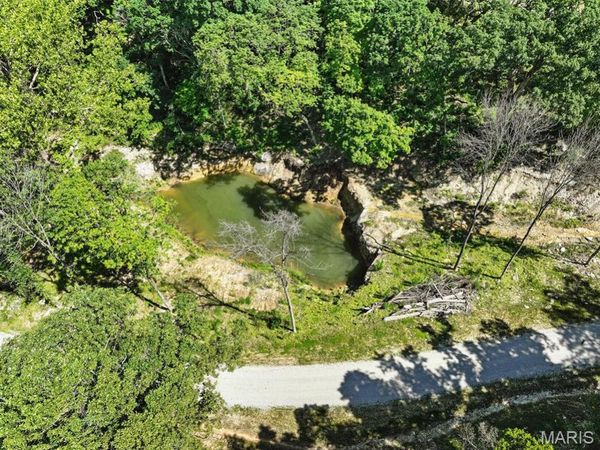
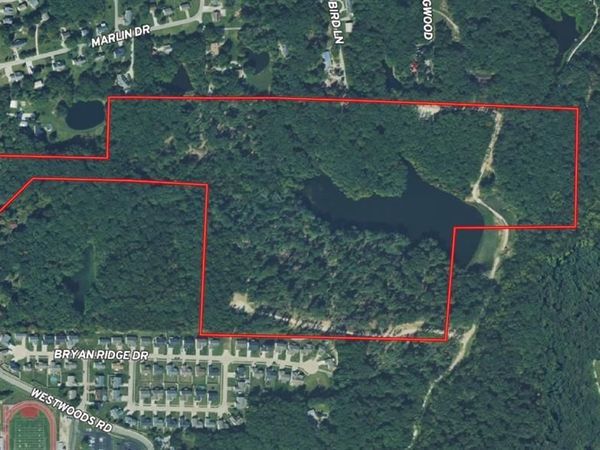
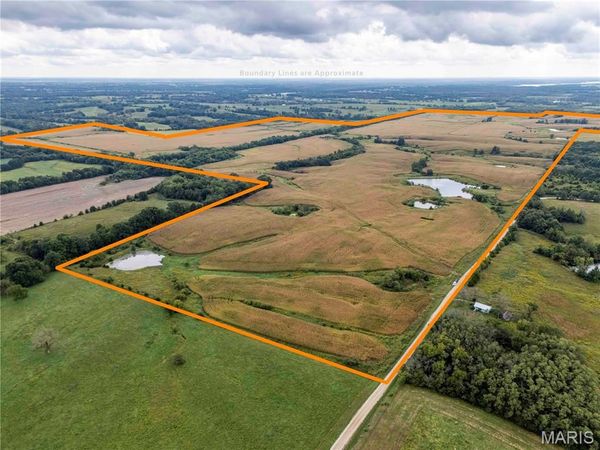
 Loading more properties...
Get Instant Alerts on New Listings
Be the first to know when properties that match your search hit the market.

Newest listings first, including land listed by other brokerages. Filter by county, acres and price, or open the full map search.
Open the full search and mapLand for every reason
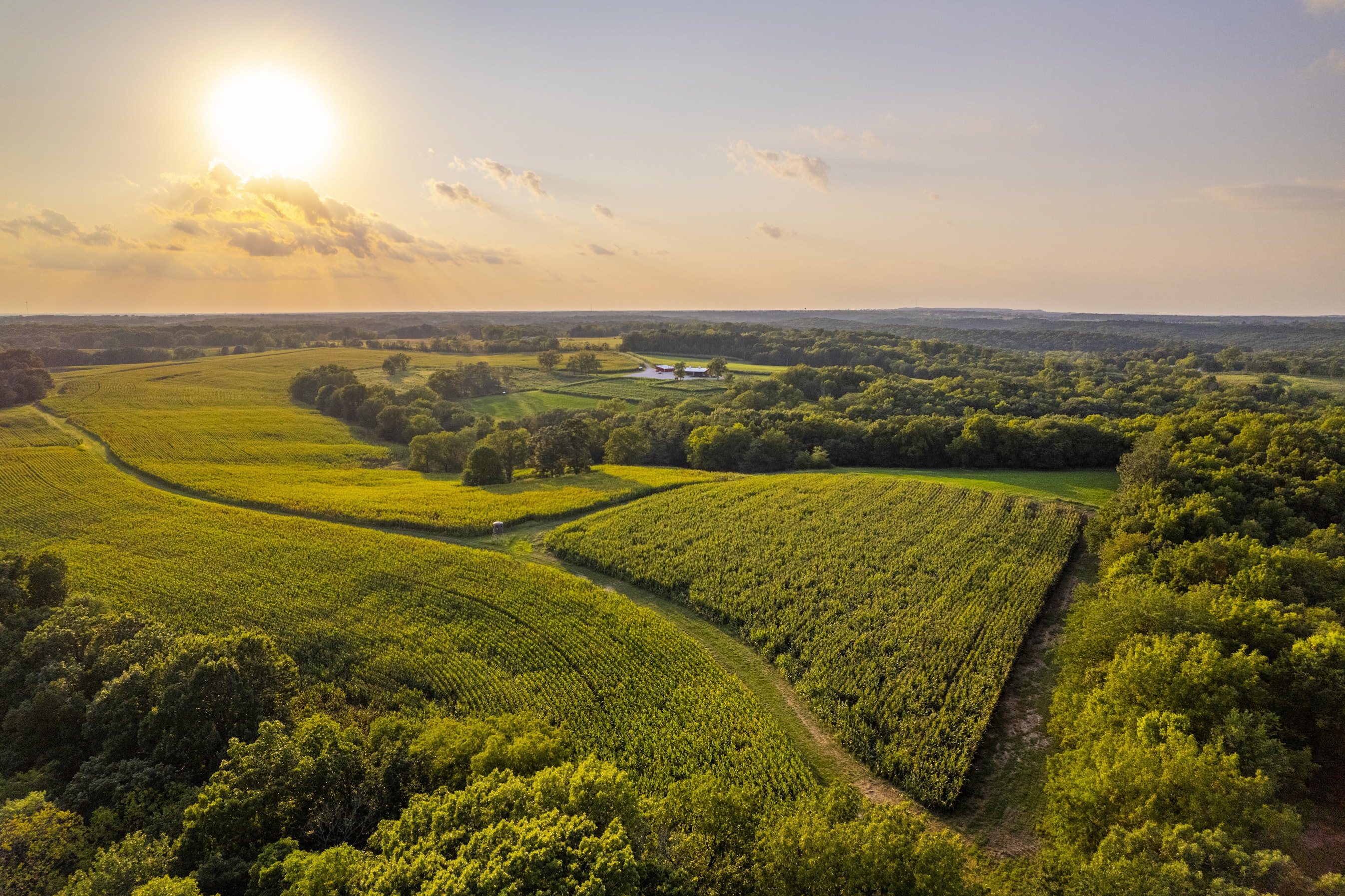 Hunting landWhitetail, turkey and waterfowl ground, judged on cover, water, food and access, not just acreage.
 FarmlandTillable ground valued on soils, yields and cash rent, with or without a home or buildings.
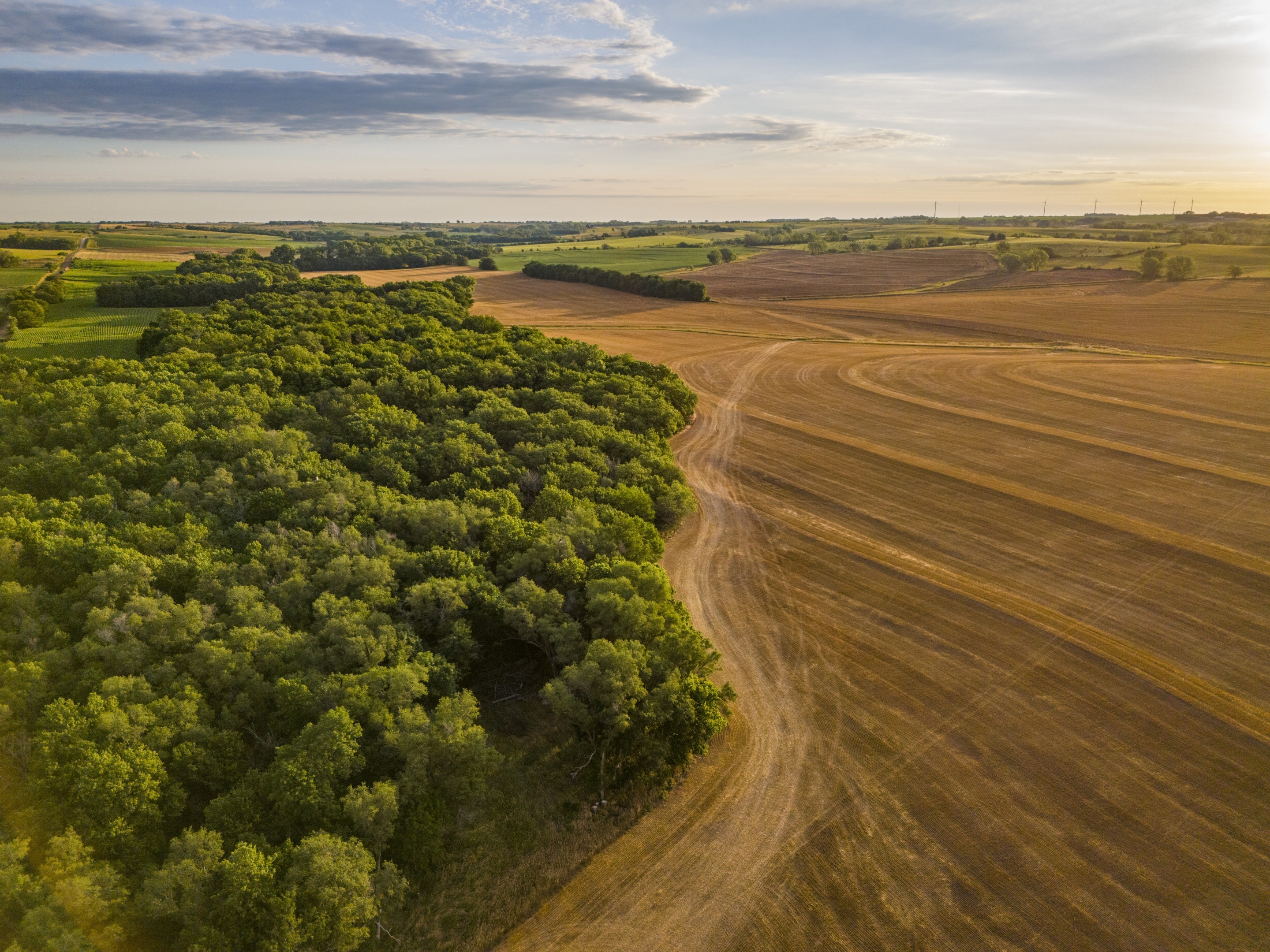 TimberlandStanding timber with value of its own. A PhD forester on our team can explain what the timber is worth.
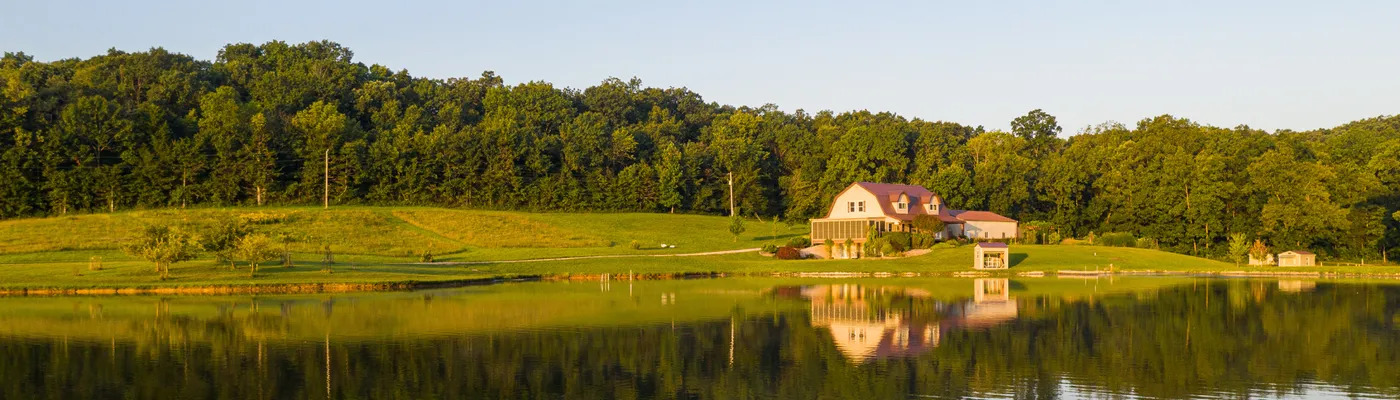 Recreational landLakes, ponds, creeks and family ground for fishing, camping and weekends away.
Land your legacy
Buying land is a long decision. We help you sort out what you want the ground to do, what it has to have, and what it is likely to cost in the counties you are looking at.
Ask us about wildlife habitat, food plots, timber, mineral rights, financing rural land, 1031 exchanges and buying at auction. Someone on our team works with each of those every season.
Who you will work with
- Whitetail and waterfowl habitat managers
- WRP and wetland management specialists
- A PhD in forestry
- Fish and lake management experts
- Wildlife biologists
- Farm appraisers and full-time farmers
- Residential agents for metro, suburban and rural homes
- A licensed Realtor on every auction
Land buyer questions
Straight answers on price per acre, what to look for and financing.
How much does hunting land cost per acre in Missouri?
Missouri hunting land prices vary widely by location, timber quality, terrain, water and the quality of the deer herd. Premium whitetail tracts in top-producing counties such as Pike, Audrain and Callaway often bring higher prices because of documented harvests and established habitat work.
Mature hardwoods, creek bottoms, ridgelines and existing food plots usually sell at a premium. CRP enrollment can add annual rental income. Road access, nearby public hunting land and county harvest data all affect value. Our land specialists can give you a current market read for any Missouri county at no cost.
How much does hunting land cost per acre in Illinois?
Illinois hunting land prices also vary widely by region and land type. Southern Illinois counties near the Shawnee National Forest, including Pope, Hardin and Johnson, are known for trophy whitetails and often carry a premium. West-central counties along the Mississippi River are prized for both deer and waterfowl.
Land with a proven harvest record, varied terrain and professional habitat management can bring much more than unimproved ground. Buyers should also look at property taxes, which vary by county and land class, and at any conservation easement or CRP contract that limits use or adds income.
What should I look for when buying hunting property?
Look at terrain, water, timber, food sources, wildlife sign and access. The best tracts mix hardwood ridges, creek bottoms, thick bedding cover and open ground for food plots, which supports deer all year.
Also check: what neighboring owners do, since heavy hunting pressure next door changes deer movement; county harvest reports, which Missouri and Illinois publish every year; year-round water; deeded legal access, because landlocked parcels cause long-term problems; soils for food plots, with a soil test; and timber value, since a timber cruise can show standing timber that offsets part of the price.
Wildlife biologists on our team can walk a property with you and give you a habitat assessment.
How do I finance a rural land purchase?
Rural land is usually financed through Farm Credit lenders, USDA Farm Service Agency programs, local agricultural banks or seller financing. Land loans often need 20 to 30 percent down and carry slightly higher rates than home mortgages, with terms of 15 to 40 years depending on the lender and the program.
Farm Credit is the main rural land lender in the Midwest. FSA programs help beginning farmers and ranchers with lower down payments and terms up to 40 years. Community banks with farm lending can be flexible, especially with an existing relationship. Seller financing is common in rural land, often with a balloon payment after 5 to 15 years.
Lenders may value hunting land differently from productive farmland, and mixed properties can be harder to appraise, so work with a lender who knows rural land. Our agents can introduce you to lenders in your area.
Thinking of selling land?
We research your land at no cost and recommend auction, private listing or both, in writing.